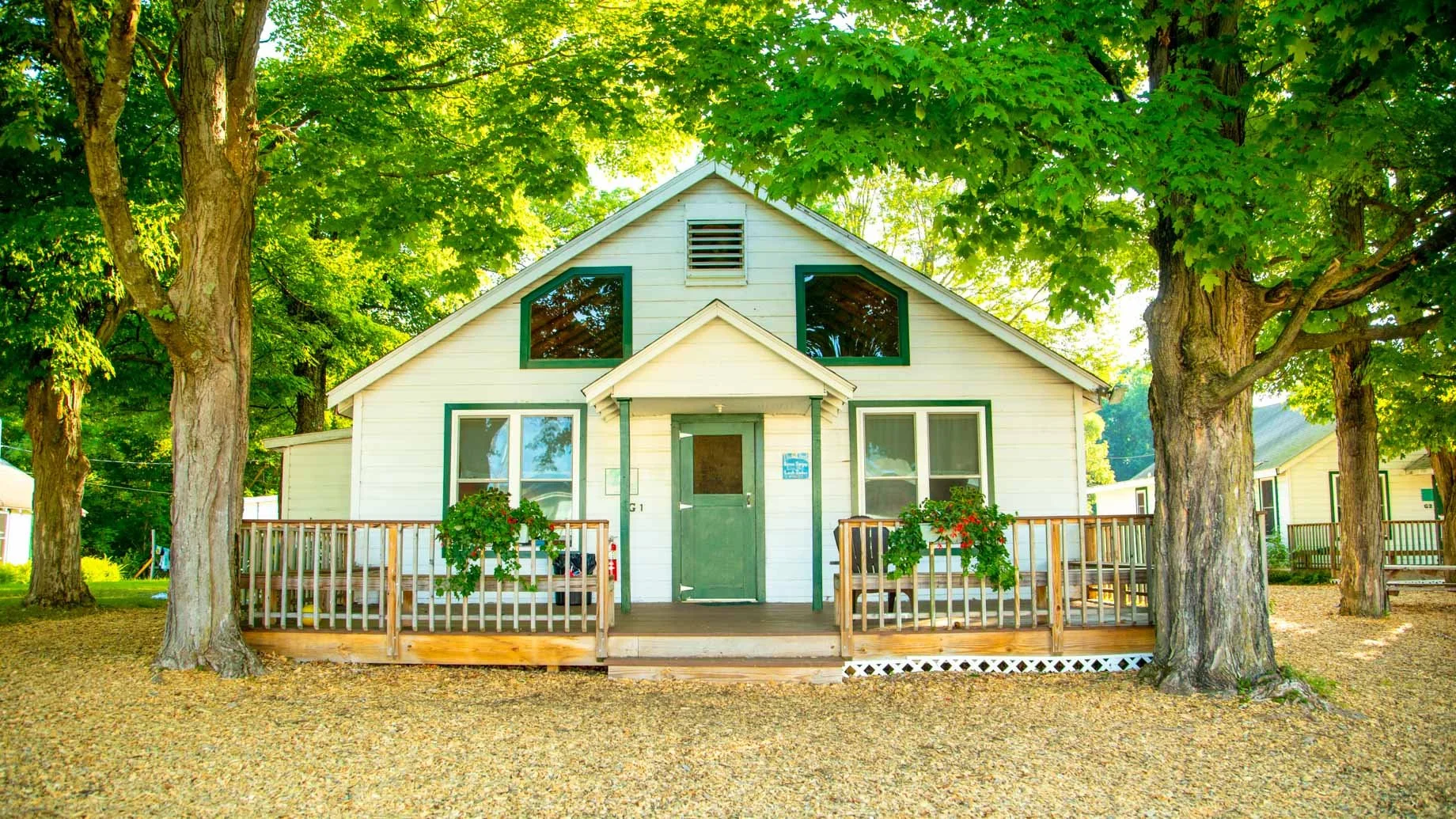
How to Choose the Right Retreat Center for Your Group
When it comes to planning a group retreat, whether for a corporate team, a faith-based community, a wellbeing weekend, or a creative workshop — the right location can make all the difference. A retreat center isn’t just a venue, it’s the foundation of the entire experience. The setting shapes the energy, the schedule, and even the success of your goals, not to mention having the right staff on site to support your vision and help it come to life. From a quiet lakeside lodge to a full, summer camp retreat center in the woods, finding the perfect spot requires careful thought and planning.
Here are five key factors to consider that our team think are essential to choosing the right retreat center for your group.
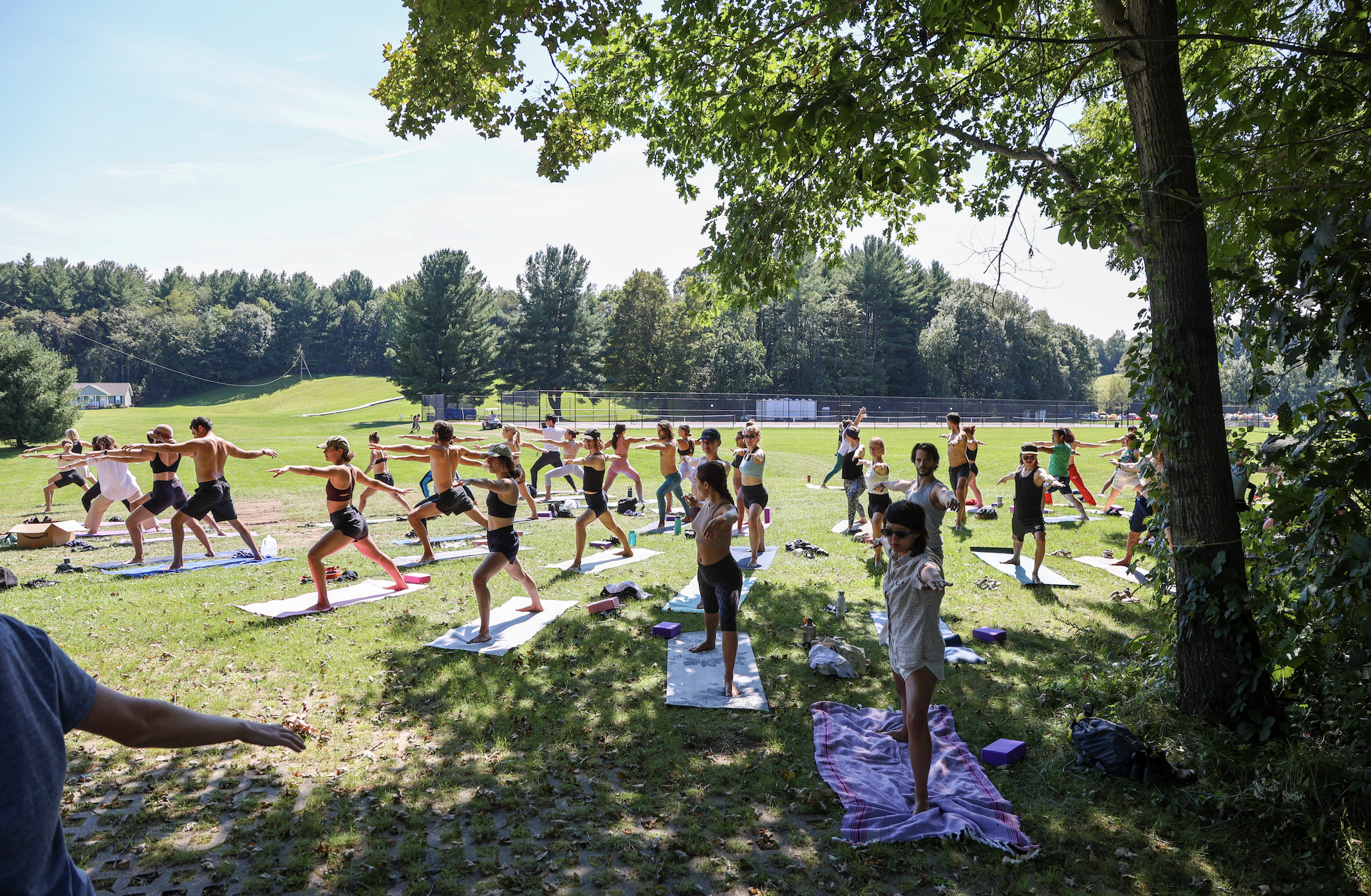
Yoga on the lawn at the Berkshire Retreat Center
1. Location: Accessibility Meets Atmosphere
The first and often biggest decision is the location. You’ll want to strike a balance between accessibility and ambiance. Think about where your group is coming from — is it realistic for everyone to travel there easily? For corporate groups or large organizations, proximity to major highways or airports and transit hubs can make logistics far smoother. For smaller groups, a more secluded setting may be worth the extra travel time.
Beyond accessibility, consider what kind of atmosphere you want the location to create - The right setting sets the tone for the entire retreat:
Nature-focused retreats (like wellness or spiritual getaways) often thrive in mountain, lakeside, or woodland environments, where the surroundings naturally promote calm and reflection.
Creative or professional retreats might benefit from being close to urban areas with access to breakout spaces, cultural experiences, or reliable Wi-Fi.
Youth or team-building retreats can benefit from open outdoor spaces and recreational amenities that foster movement and connection.
Before committing, always visit the site if possible. Photos can be deceiving, and being on the grounds allows you to experience first-hand how the location feels — something that can be hard to capture online.
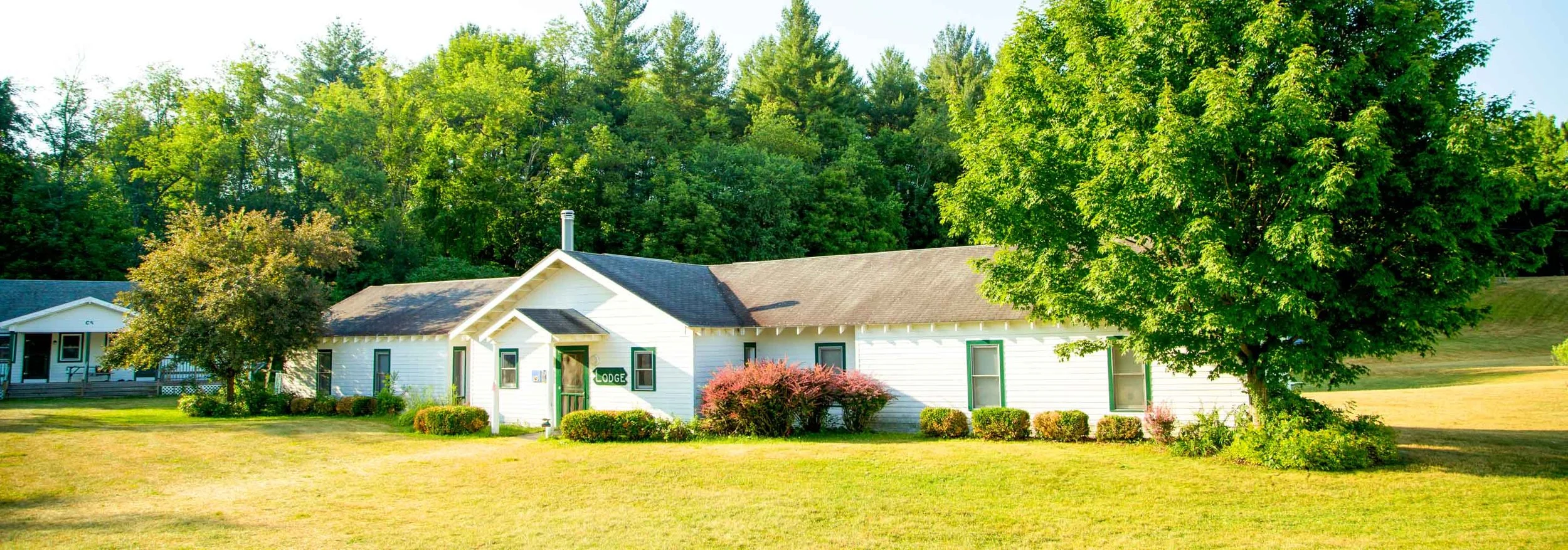
The Lodge Building - Private accommodation with community space
2. Accommodation and Comfort: Meeting Diverse Needs
Even the most inspiring setting can’t make up for poor lodging. Comfortable, clean, and well-suited accommodations are essential for keeping your group happy and engaged throughout their stay. Think carefully about what kind of experience you want participants to have — from shared cabins that encourage bonding to private rooms that offer rest and privacy.
Consider the following:
Group Size and Layout: Ensure the center can comfortably house your full group, with flexible room arrangements. For example, youth groups may prefer dorm-style housing, while professional teams may expect single or double occupancy.
Accessibility: Make sure the facility is accessible to everyone, including those with mobility challenges.
Amenities: Are linens provided? Is there air conditioning or heating? Are there quiet spaces for reflection or lounges for socializing?
Dining Options: A retreat’s meals often become a highlight. Find out whether the center offers on-site catering, supports dietary needs (vegan, gluten-free, etc.), and uses local or healthy ingredients.
Remember, comfort directly affects participation. A well-rested group is far more likely to engage deeply with your retreat goals.
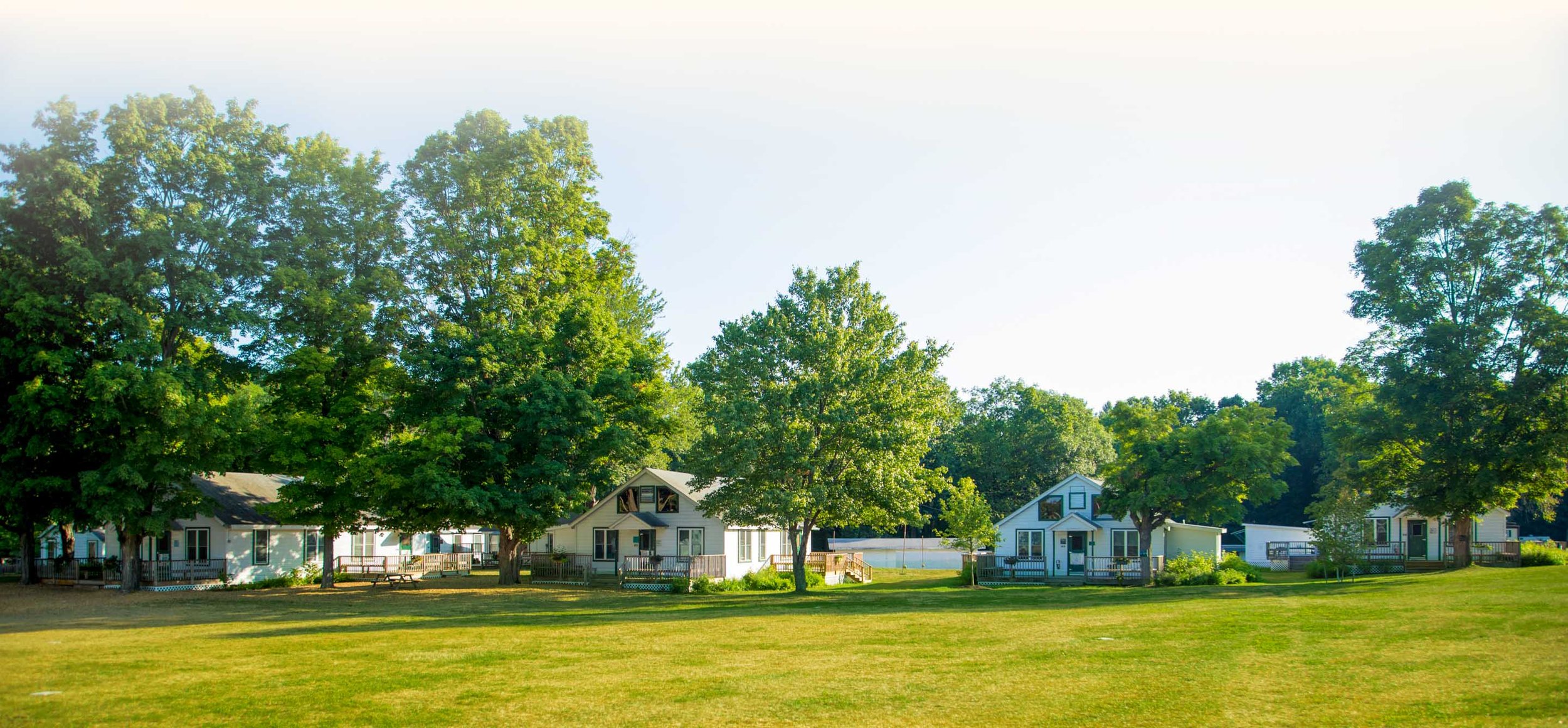
The Main Lawn at the Berkshire Retreat Center
3. Setting and Environment: Creating the Right Mood
Beyond location and lodging, the setting — the feel of the retreat center and its surroundings — is what makes the experience memorable. Think about how the natural or architectural environment supports your retreat’s purpose.
A serene, wooded property might encourage introspection and mindfulness. An oceanfront venue can bring renewal and a sense of openness. A modern, minimalist space can create focus and creativity. The key is to choose an environment that aligns with your retreat’s mission.
It can help to ask:
Does the environment inspire the emotions and energy you want your group to feel?
Are there outdoor areas that allow for group activities, meditations, or gatherings?
Is the property private enough to create a sense of separation from everyday life?
Some retreat centers also have symbolic or spiritual features — hiking trails, gardens, open spaces, or arts & crafts areas — that can add a meaningful dimension to your stay.
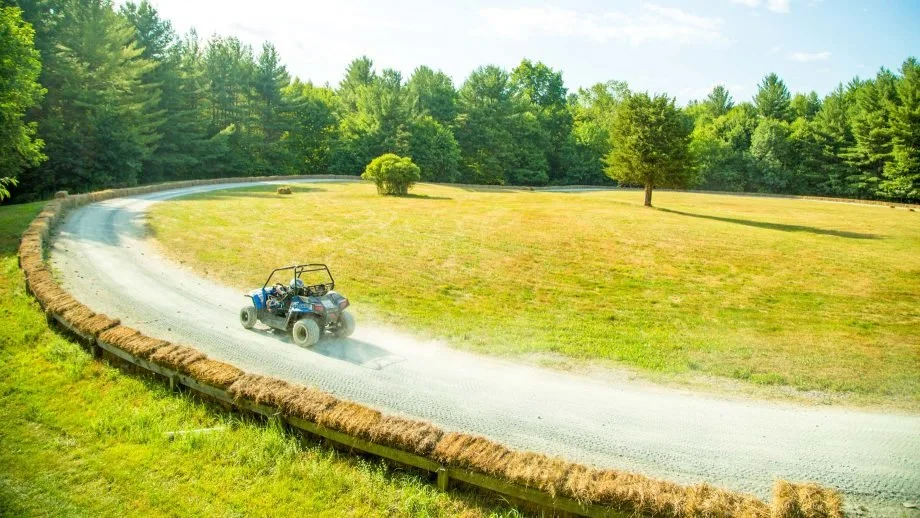
Go Cart/ATV Track at the Berkshire Retreat Center
4. Activities and Amenities: Supporting Connection and Growth
Retreats are about more than meetings or workshops; they’re about connection, rejuvenation, and growth. That’s why it’s important to choose a retreat center that offers — or allows you to bring in — activities that align with your goals.
For example:
Corporate retreats might value meeting rooms with A/V capabilities, breakout spaces, and on-site team-building activities like ropes courses or guided workshops.
Wellness retreats often need yoga studios, meditation spaces, walking trails, and access to nature.
Youth or family retreats benefit from recreational options like swimming, sports fields, or campfire areas.
Ask what’s included in the booking. Some centers have built-in programming like guided hikes, mindfulness sessions, or local excursions. Others allow you to customize your schedule and bring in your own facilitators.
Don’t overlook the small details — Good lighting, cozy common rooms, or outdoor fire pits can make a huge difference in creating a sense of community and comfort.
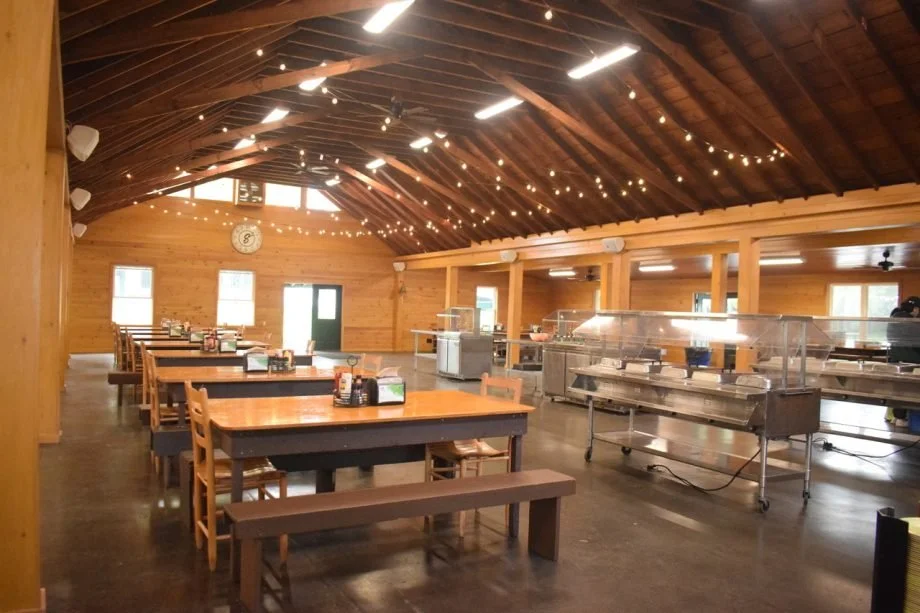
The Dining Hall at the Berkshire Retreat Center
5. Budget and Flexibility: Finding Value Without Compromise
Budgeting for a retreat can be tricky, but a well-planned approach ensures that you get the best value without sacrificing the essentials. Start by determining your priorities: is it location, comfort, catering, or activities? Decide what’s non-negotiable and where you can be flexible.
When comparing retreat centers, don’t just look at the base rental price. Ask about:
What’s included (meals, linens, cleaning, activities, A/V support, etc.)
Additional fees (taxes, service charges, gratuities)
Minimum or maximum group sizes
Deposit and cancellation policies
Some retreat centers offer discounts for weekday stays or off-season bookings, which can significantly stretch your budget. Others may allow partial self-catering or day-use rentals for smaller gatherings.
Transparency is key — make sure all costs are outlined in writing and that you fully understand what’s expected.
Finally, flexibility matters. The best retreat centers are willing to collaborate, adapt to your group’s unique needs, and help craft a program that fits your goals and budget.
Bringing It All Together
Choosing the right retreat center for your group is about more than just finding a beautiful location — it’s about creating an environment where people can truly connect, reflect, and grow. The most successful retreats happen when the space supports the purpose: when the setting inspires focus, the lodging ensures comfort, and the activities encourage both rest and renewal.
By carefully considering location, accommodation, setting, activities, and budget, you can ensure that every participant feels both cared for and inspired. The right retreat center becomes a partner in your vision — not just a backdrop, but a catalyst for transformation.
Whether you’re planning a quiet weekend of reflection, a company-wide offsite, or a creative workshop in the woods, take the time to choose a space that aligns with your goals and values. When you do, the experience will linger long after everyone returns home — not just as a retreat, but as a moment of shared connection and renewal.